As global industries shift toward cleaner energy alternatives and low-carbon processes, hydrogen has emerged as a cornerstone of the future energy landscape. However, handling hydrogen presents unique engineering and process control challenges.
At ISIS Process, a specialized division of ISIS Fluid Control, we combine decades of technical insight with elite manufacturing partnerships to deliver safe, reliable fluid control systems for demanding applications. Here is what you need to know about hydrogen, why it matters today, and how our Vinco ball valves provide the ultimate control solution.
What is Hydrogen?
Hydrogen (H2) is the first element on the periodic table and the most abundant chemical element in the universe. In its standard conditions, hydrogen is a colorless, odorless, tasteless, non-toxic, and highly flammable gas.
Because hydrogen does not occur naturally in vast underground deposits like natural gas, it must be produced by separating it from other compounds—most commonly water (H20) via electrolysis or natural gas (CH4) via steam methane reforming.
From an engineering perspective, hydrogen possesses two defining physical characteristics:
Extremely Low Molecular Weight & Small Atomic Size: As the smallest atom in existence, hydrogen gas molecules diffuse rapidly through materials and escape through microscopic leak paths far more easily than heavier hydrocarbons.
Wide Flammability Range & High Volatility: Hydrogen ignites easily in the presence of air across a broad concentration range (4% to 75% ), making leak prevention and tight isolation critical parameters for process design.
Why Are People Using Hydrogen?
The acceleration toward hydrogen adoption is driven primarily by the global demand for decarbonisation, energy security, and industrial sustainability.
Zero Carbon at Point of Use: When burned or reacted in a fuel cell, hydrogen releases water vapor as its primary byproduct, producing zero carbon dioxide (CO2) emissions.
Energy Storage & Density: Hydrogen offers exceptional energy density by mass (nearly three times that of gasoline per kilogram), making it ideal for storing energy generated by intermittent renewable resources like wind and solar.
High-Temperature Heating: Many industrial processes require extreme temperatures that cannot easily or efficiently be achieved through electrification alone; hydrogen provides a high-heat thermal alternative.
What Industries is Hydrogen Used In?
Hydrogen is no longer limited to traditional chemical manufacturing—it is expanding rapidly into heavy industrial and commercial sectors:
Chemical & Refining: Historically the largest consumers of hydrogen, refineries use it to desulfurize fuels, while chemical plants utilize it as a feedstock for producing ammonia (fertilizers) and methanol.
Steel & Metallurgy: Direct Reduced Iron (DRI) processes are replacing carbon-intensive coking coal with hydrogen to produce “green steel,” drastically cutting industrial emissions.
Power Generation & Energy Storage: Gas turbines are increasingly co-firing natural gas with hydrogen, with plans to transition toward 100% hydrogen systems.
Transportation & Logistics: Fuel-cell electric vehicles (FCEVs), heavy-duty trucks, maritime shipping, and rail networks leverage hydrogen for long-distance transport where battery weight is prohibitive.
Pharmaceutical & Sanitary Processing: High-purity hydrogen is utilized in hydrogenation reactions during pharmaceutical synthesis, demanding ultra-clean processing environments.
Why Are Valves Important to Hydrogen?
Because hydrogen gas is highly volatile and prone to escaping through the tightest tolerances, process valves represent one of the most critical safety and performance elements in any hydrogen infrastructure.
Standard off-the-shelf industrial valves often fall short in hydrogen service due to three major factors:
Fugitive Emissions & Micro-Leakage: Hydrogen can pass through seal materials and micro-imperfections in valve castings or stem packings where traditional liquids or heavier gases cannot. Valves must feature specialized low-emission live-loaded stem packing systems to guarantee external tightness.
Material Compatibility & Hydrogen Embrittlement: Hydrogen gas can permeate into certain metals, weakening their crystalline structure over time and causing structural cracking under pressure. Materials used in valve bodies, stems, and trims must be rigorously selected (such as high-grade 316/316L stainless steel or specialized alloys) to withstand embrittlement.
Rapid Gas Decompression (RGD): High-pressure hydrogen systems subject internal seals and elastomeric O-rings to sudden pressure changes, which can rupture standard sealing materials.
Without specifically engineered valves, process operators risk costly product loss, catastrophic fire hazards, and premature equipment degradation.


VINCO XFH
HYDROGEN BALL VALVE
A cast floating ball valve specially designed for industrial hydrogen applications up to CL800. Safety is…
- Material
- Carbon Steel, Stainless Steel
- Sizes
- 3/8" – 6"
- Connection
- Threaded, Welded
- Pressure
- CLASS 150, CLASS 300, CLASS 400,…

VINCO CFH
ANSI HYDROGEN BALL VALVE
CFH ASME Series: the ultimate split-body cast floating ball valve designed for industrial hydrogen applications up…
- Material
- Carbon Steel, Stainless Steel
- Sizes
- 1/2" – 8"
- Connection
- Flanged
- Pressure
- CLASS 150, CLASS 300
VINCO CFH
DIN HYDROGEN BALL VALVE
CFH DIN Series: the ultimate split-body cast floating ball valve designed for industrial hydrogen applications up…
- Material
- Carbon Steel, Stainless Steel
- Sizes
- 1/2" – 8"
- Connection
- Flanged
- Pressure
- PN16, PN40
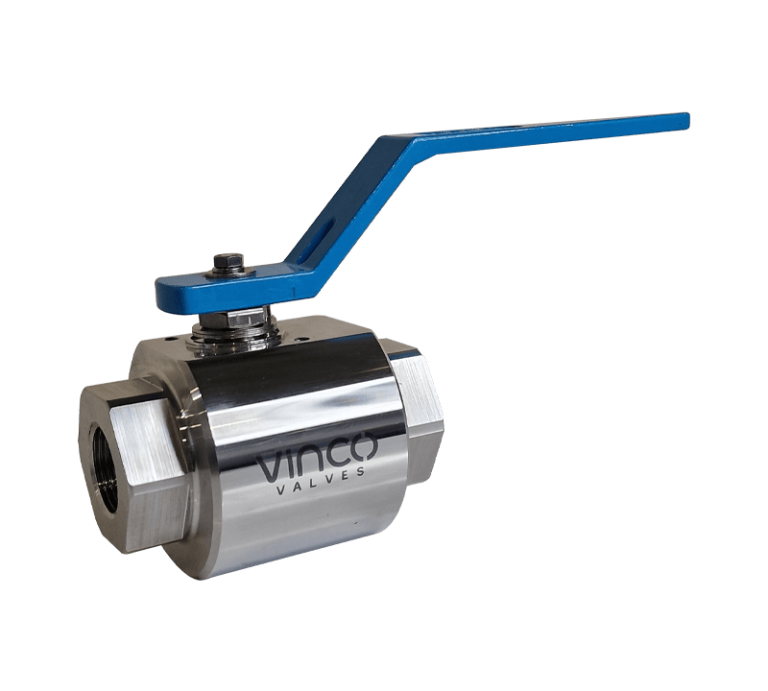
VINCO GFH6
HYDROGEN BALL VALVE
The GFH6 Series offers a monoblock floating ball valve design for hydrogen fueling applications. These valves…
- Material
- Stainless Steel
- Sizes
- 1/4" – 1"
- Connection
- Threaded, Welded
- Pressure
- 500 Bar Rated
VINCO GFH7
HYDROGEN BALL VALVE
The GFH7 Series offers a monoblock floating ball valve design for hydrogen fueling applications. These valves…
- Material
- Stainless Steel
- Sizes
- 1/4" – 1"
- Connection
- Threaded, Welded
- Pressure
- 700 Bar Rated
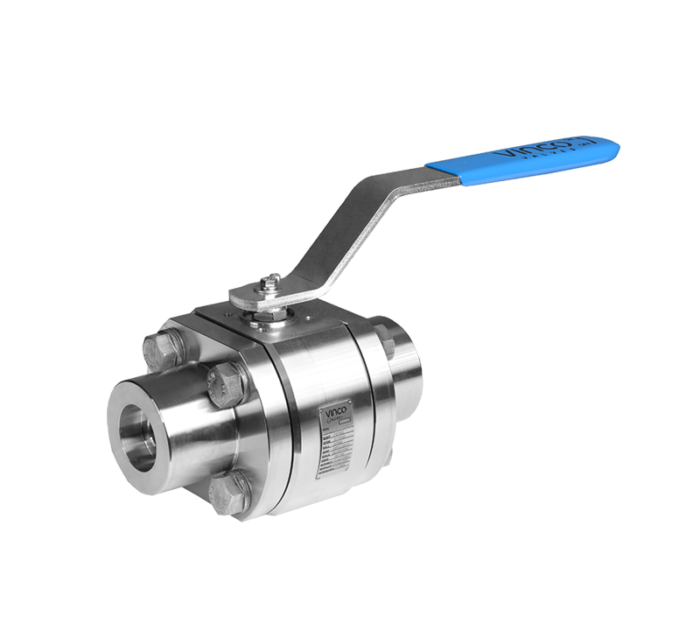
VINCO HFH5
HYDROGEN BALL VALVE
The HFH5 is a top-of-the-line solution for hydrogen fueling applications up to CL1500 that offers a…
- Material
- Stainless Steel
- Sizes
- 1/2" – 2"
- Connection
- Threaded, Welded
- Pressure
- CLASS 1500
The Vinco Hydrogen Range: XFH, CFH, GFH, HFH
To combat the strict challenges of hydrogen fluid control, ISIS Process supplies the specialized Vinco Hydrogen Range—predominantly featuring advanced Ball Valves and Double Block & Bleed (DBB) Valves engineered from the ground up for low emissions, internal tightness, and zero contamination:
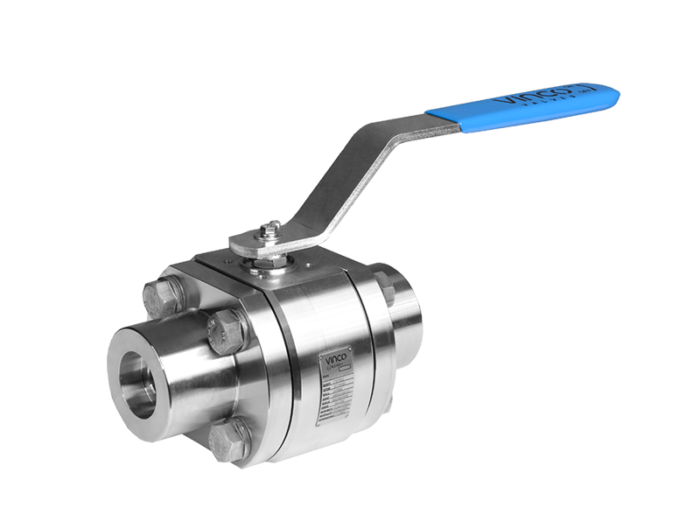
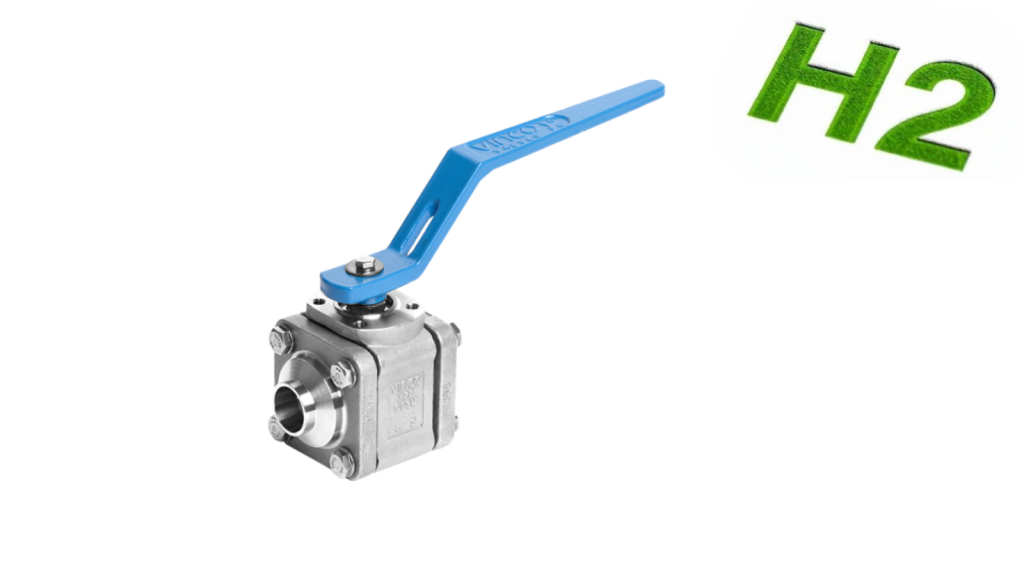
Vinco XFH Series: A high-performance floating ball valve designed specifically for industrial hydrogen applications up to ASME Class 800. Featuring a double-insulation sealing layer (polymeric and expanded graphite) and RGD-resistant O-ring packing, the XFH provides exceptional tightness, low emissions, and fire-safe peace of mind for threaded or welded pipelines.
Vinco CFH Series: The split-body flanged ball valve range available in ASME CL150/CL300 and DIN PN16/PN40 ratings. Engineered with bi-directional C-RPTFE soft seating and live-loaded stem packing, the CFH series delivers low-pressure and process line isolation without risk of internal contamination.
Vinco GFH Series: A monoblock floating ball valve designed specifically for high-pressure hydrogen fueling and dispensing applications up to PN500. Featuring a compact, leak-resistant body, PEEK seats, and Anti-Explosive Decompression (AED/RGD) seals, the GFH models deliver maximum safety and long service life in compact station footprints.
Vinco HFH Series: Engineered for severe-service high-pressure fueling systems up to ASME Class 1500 (CL1500). The HFH features a three-piece bolted body design with PEEK seating, double insulation layers, and live-loaded stem packing to guarantee absolute tightness under extreme cyclic pressures.
The ISIS Process Advantage
Partnering with ISIS Process means more than just purchasing hardware—it gives you access to a dedicated engineering infrastructure:
Technical Knowledge: Our engineers understand fluid dynamics, FET Emissions, seal compatibility, and hydrogen safety standards to ensure your valve selection is technically sound from day one.
In-House Design & Workshop Capabilities: From standard ball valve setups to custom automated actuator packages, our workshop in Chipping Norton provides 3D modeling, hydrostatic testing, and custom assembly to match your exact process parameters.
Extensive In-House Inventory: Backed by substantial UK stock depth, we ensure rapid fulfillment on core process lines, minimizing downtime for your projects.
Whether you are building a new green-hydrogen distribution line, upgrading an industrial process plant, or designing specialized skid packages, ISIS Process brings technical clarity and trusted performance to your operational flow.
To discuss your hydrogen valve specifications or request a custom quotation, contact our dedicated team at sales@isisprocess.com or visit isisfluid.com today. Where solutions flow.